

33 RPM LPs
The transition to the 33 1/3 rpm long-play (LP) record marked a pivotal evolution in high-fidelity audio, effectively revolutionizing how music was consumed. Introduced by Columbia Records in 1948, the LP was developed to overcome the physical limitations of the brittle, 78 rpm shellac discs that preceded it. By utilizing a microgroove system and switching the manufacturing material to polyvinyl chloride (PVC)—commonly known as vinyl—engineers were able to significantly reduce surface noise and extend playback time to over 20 minutes per side. This shift from shellac to vinyl not only offered a more durable and flexible medium but also paved the way for the "album era," allowing artists to curate cohesive, long-form musical narratives for the first time in history.
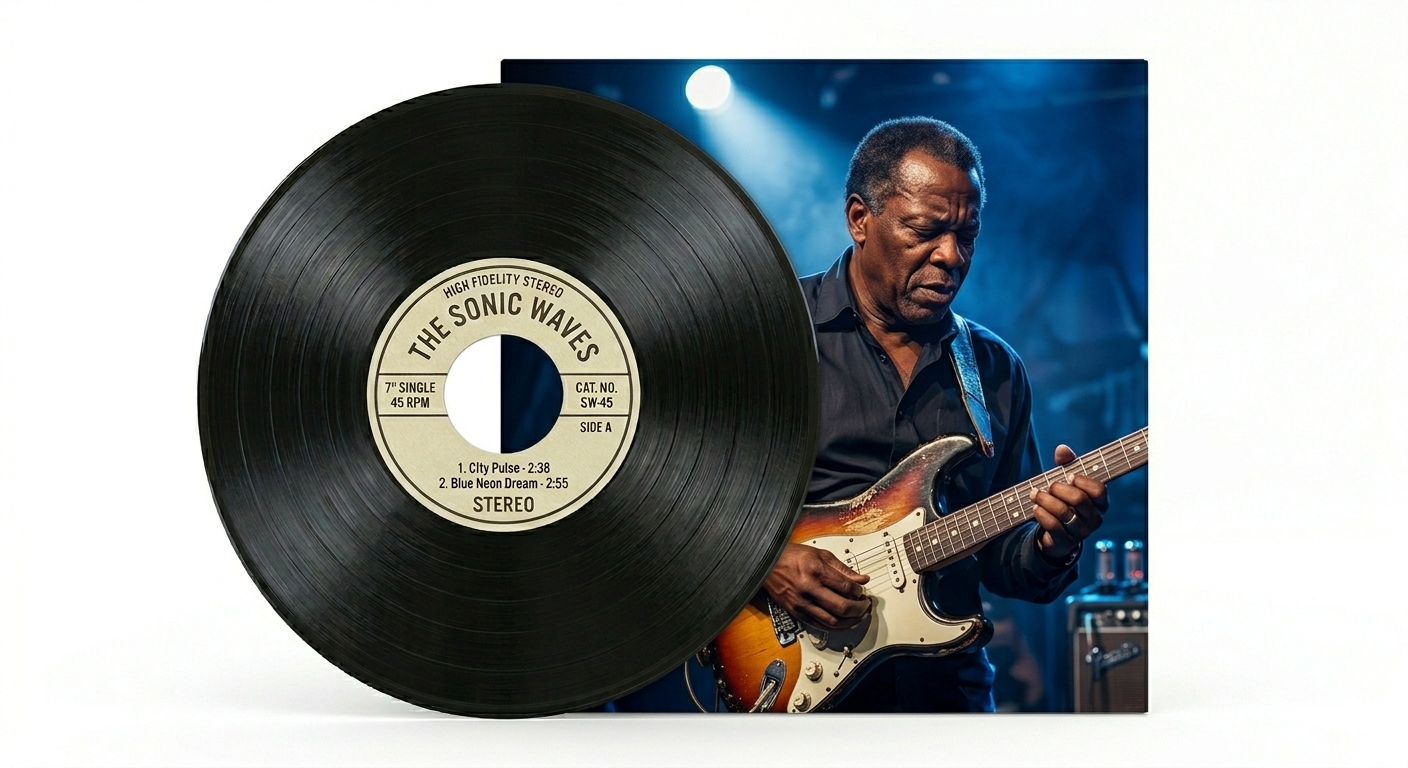
45 RPM Singles
The introduction of the 45 rpm record in 1949 by RCA Victor ignited a fierce "War of the Speeds" against Columbia’s LP, ultimately defining the landscape of popular music for decades. Designed specifically as a smaller, more affordable alternative to the 12-inch disc, the 7-inch 45 was manufactured using high-quality polyvinyl chloride, which allowed for a much lighter and more shatter-resistant product than traditional shellac. Its most distinctive physical feature—the large 1.5-inch center hole—was engineered to facilitate rapid, seamless transitions in automatic record changers, making it the perfect medium for the burgeoning "singles" market. By providing a portable and durable format for hit songs, the 45 rpm record became the primary engine of the rock and roll era, forever cementing its status as the definitive vessel for the three-minute pop masterpiece.
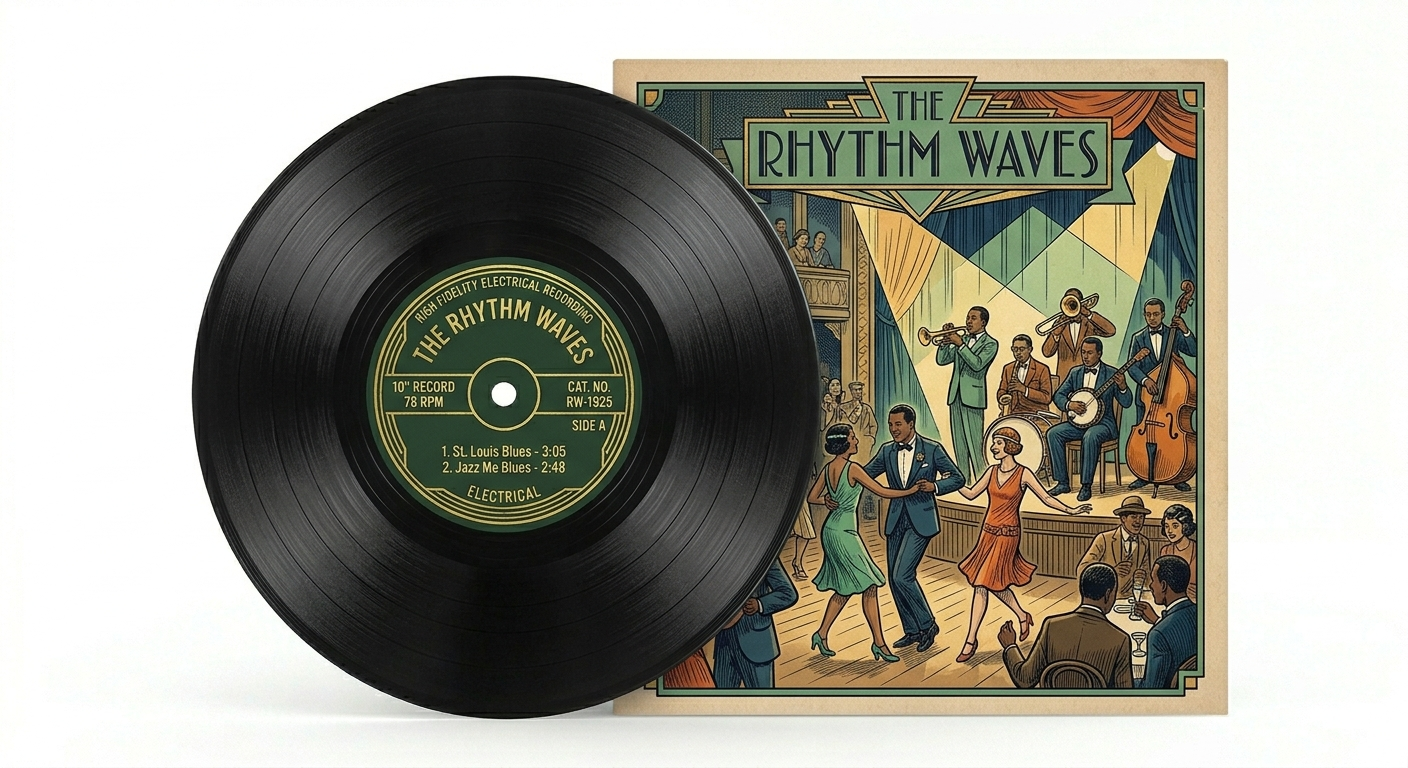
78 RPM Records
The 78 rpm record stands as the foundational format of the recorded music industry, dominating the market from the late 19th century through the late 1940s. Unlike its vinyl successors, the 78 was primarily crafted from a brittle shellac resin—a natural substance secreted by the lac bug—blended with fillers like slate, limestone, or cotton fibers. While the standardized speed of approximately 78.26 rpm was not universally adopted until the mid-1920s with the advent of electric recording, these heavy, ten-inch discs were the first to bring global icons of jazz, blues, and classical music into the domestic sphere. Despite their fragility and limited playback time of roughly three to five minutes per side, the 78 rpm record remains a vital historical artifact, capturing the raw, uncompressed energy of the early 20th-century acoustic era.
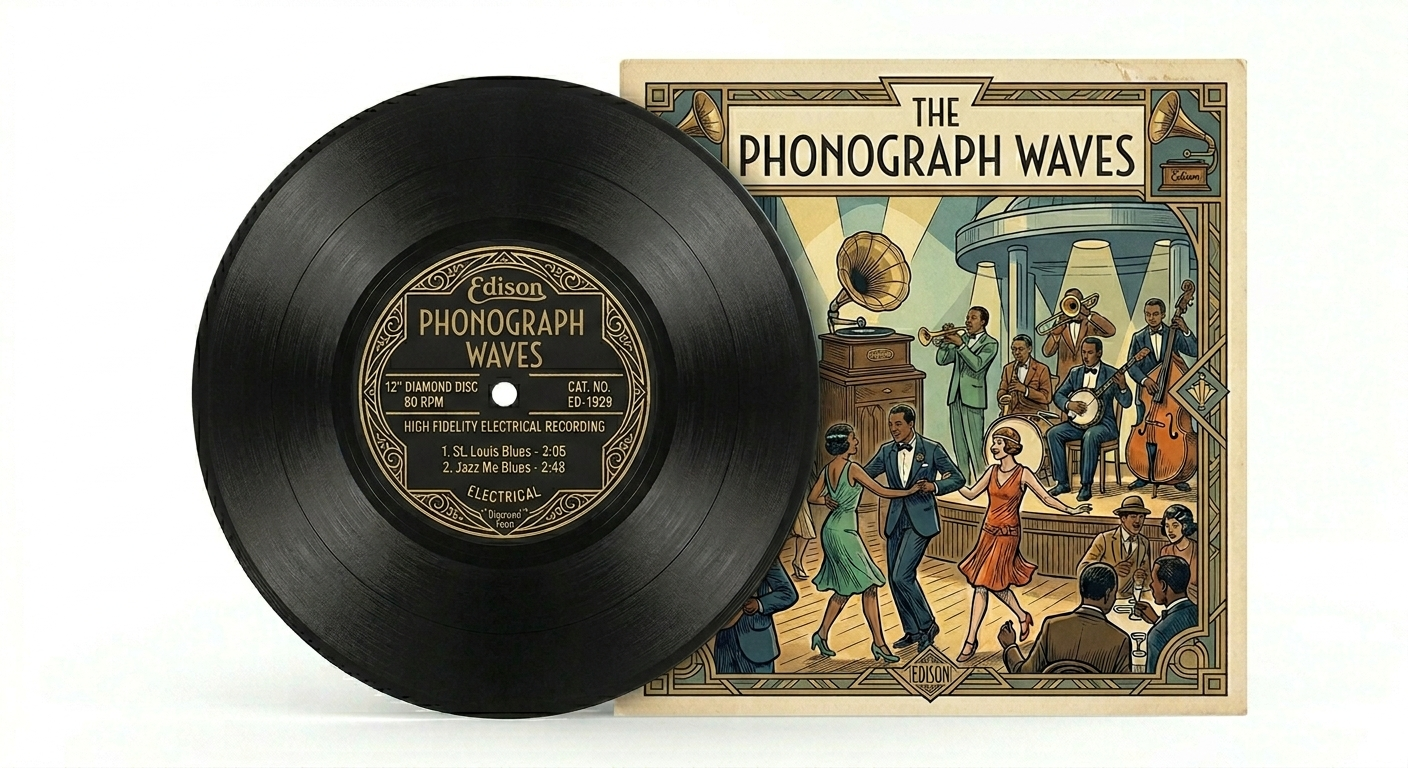
80 RPM Edison Records
The Edison Diamond Disc, which typically operated at 80 rpm, represented Thomas Edison’s relentless pursuit of sonic perfection during the early 1910s. Unlike the lateral-cut grooves used by competitors, these discs featured a vertically-cut groove, requiring a permanent diamond stylus for playback rather than a disposable steel needle. To achieve superior clarity and prevent warping, Edison utilized a unique composite material known as Condensite—a phenolic resin similar to early Bakelite—laminated over a thick, heavy core of wood flour and inorganic binders. Measuring a substantial quarter-inch in thickness, these 10-inch and 12-inch discs were marketed as "re-creations" rather than mere recordings, boasting a level of tonal fidelity that remained unsurpassed until the dawn of the electronic era. Though the format was ultimately discontinued in 1929, the Edison Diamond Disc remains a marvel of early 20th-century precision engineering and material science.

Edison Cylinder Records
The Edison Cylinder, introduced commercially in the late 1880s, holds the distinction of being the world's first viable medium for recording and reproducing sound. Initially fashioned from a fragile, metallic-soap wax compound, these hollow cylinders were eventually upgraded in 1912 to the Blue Amberol format, which utilized a much more durable celluloid plastic surface over a plaster of Paris core. Unlike the flat discs that would eventually replace them, cylinders maintained a constant linear surface speed past the stylus, which Thomas Edison argued provided superior acoustic fidelity. Though the format required bulky playback machinery and lacked the easy storage of flat records, the Edison Cylinder remained in production until 1929, serving as the pioneer that transformed music from a fleeting live performance into a permanent, collectible commodity.
EARTH FRIENDLY RECYCLING also accepts appliances!
Responsibly recycle your appliances with Earth Friendly Recycling.


Broken Records
Records With Exreme Warping